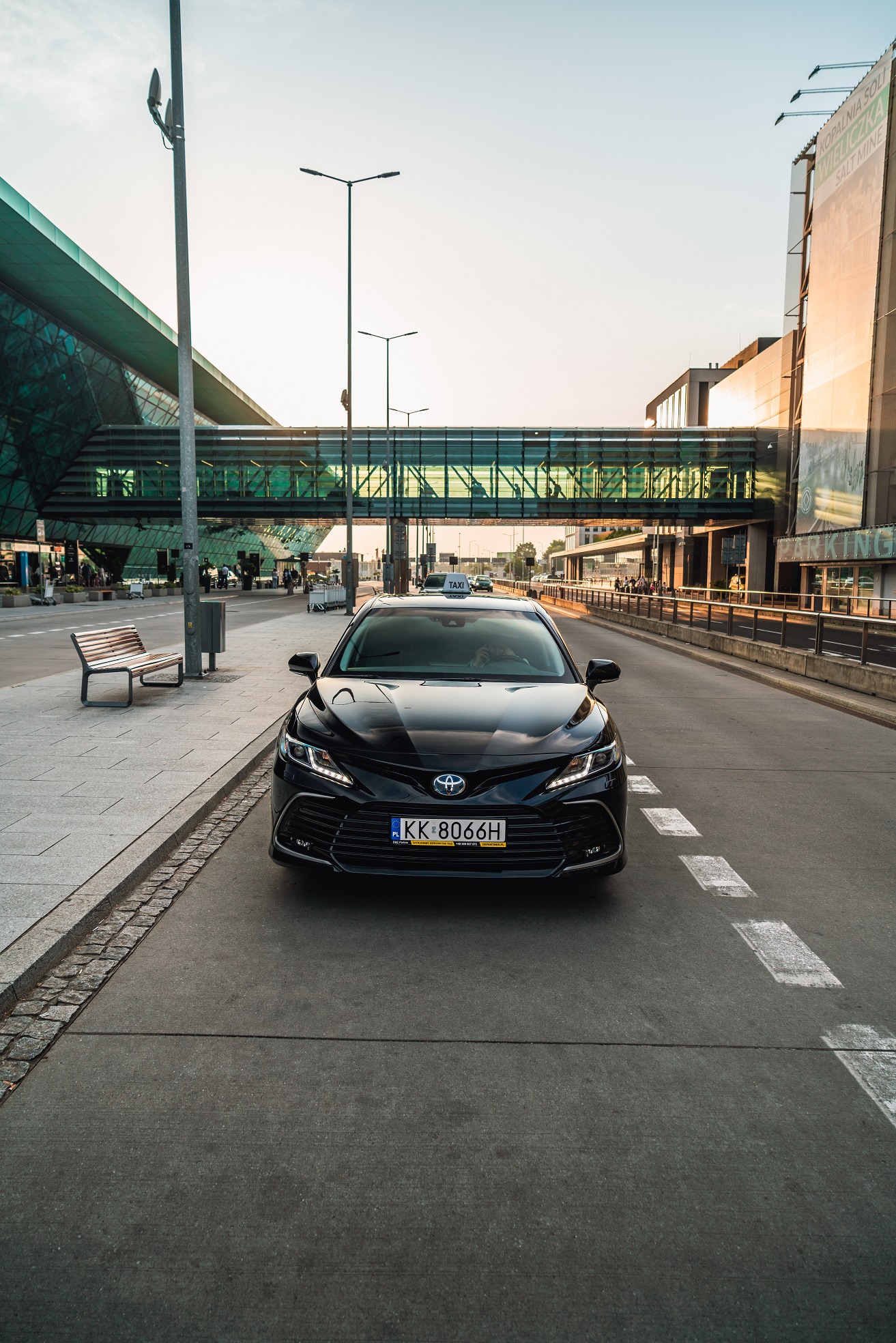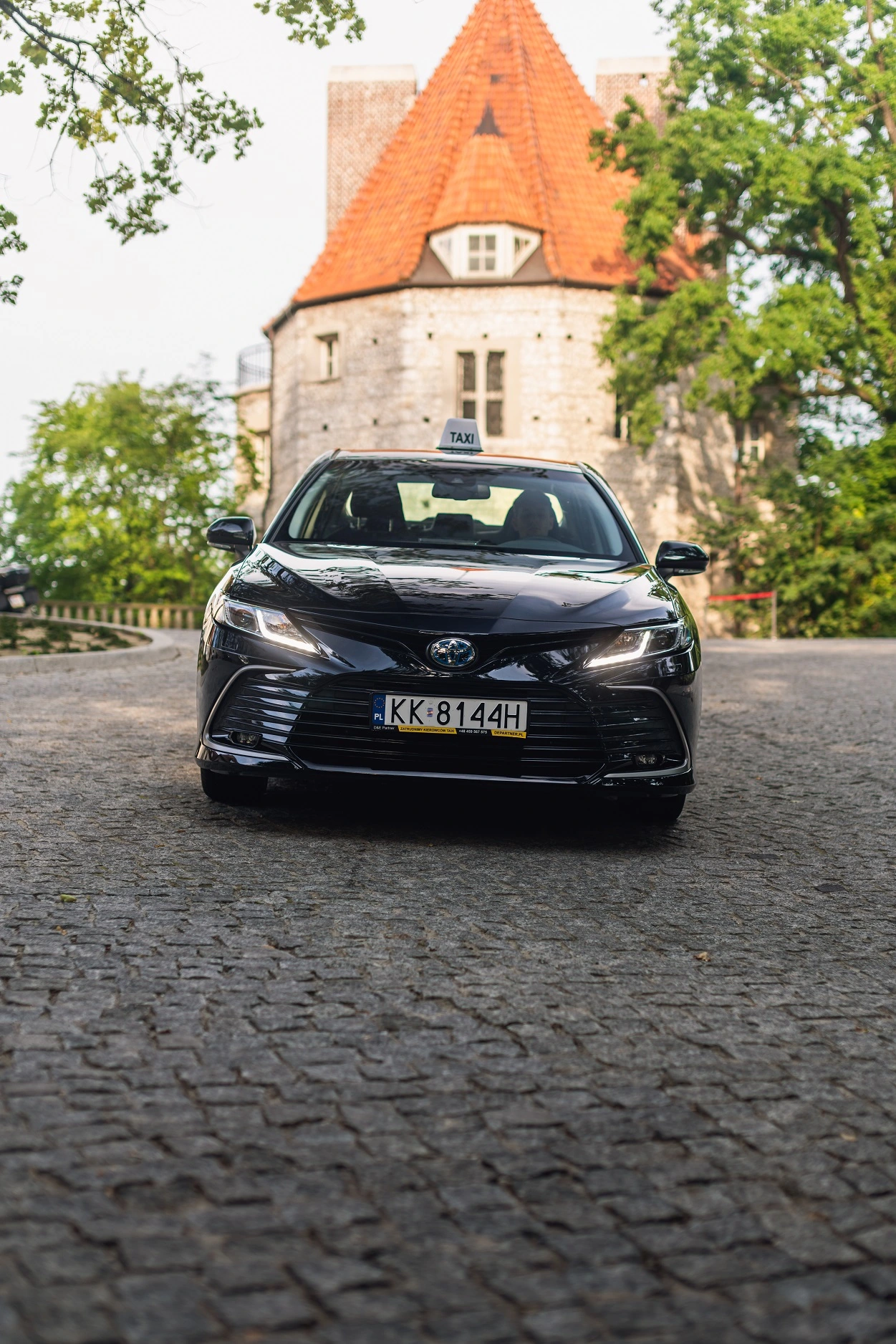
Yes, you can explore driving without owning a car. Uber describes a route through a fleet partner that may provide a vehicle. It does not mean that a car is available in every city or that a rental agreement automatically qualifies you to drive. Check your personal documents, the specific vehicle and the written offer before making a commitment.
First check whether you can drive
A rented car does not replace the driver requirements. Uber's Poland onboarding guide explains the identity, driving licence, medical and psychological checks and taxi related documents involved in starting. If your licence was issued outside Poland, check the current Polish licence and exchange requirements for your own case. The government guide to exchanging a foreign driving licence is a starting point; the procedure depends on the issuing country and your circumstances. A partner can explain the route but cannot waive a legal or platform requirement.
For a broader step-by-step overview, read how to become an Uber driver in Poland. This page focuses on the extra decisions that arise when the car belongs to someone else.
Then verify the exact car
Ask the partner for the model, year, registration details and the city where you will drive. Check the model and category against Uber's current vehicle requirements for Poland. A vehicle that works for one service or city should not be assumed eligible for another.
Before paying a deposit, ask who provides the vehicle registration certificate, insurance, taxi licence extract and any required taxi marking. Confirm which licence covers your operating area and whether the documents are ready for the particular car. Uber's vehicle page lists documents for the vehicle; the onboarding guide explains the fleet partner route. Our car eligibility guide covers model and category checks in more detail.
Read the rental and settlement terms together
The price on an advertisement is not the total cost of driving. Request a written offer and check these points before accepting it:
- Payment: rental period, due dates, deposit, when and how it is returned, and any separate partner or settlement fees.
- Distance and use: mileage limits, charges for excess distance, permitted operating area, other drivers and private use.
- Running costs: who pays for fuel or charging, cleaning, tyres, servicing, inspections and routine repairs.
- Damage: insurance cover, exclusions, your excess or liability, how a claim is handled and what happens while the car is unavailable.
- Ending the agreement: minimum term, notice, early return, deposit deductions and the vehicle handover record.
Ask separately how your trip revenue is calculated and when it is paid. A fleet partner's rental agreement and its settlement agreement may be different documents. Check both. The answers depend on the partner and the individual offer; this article does not quote a standard rent or promise an earnings level.
Compare a rental with your own car fairly
Use the same city, intended working hours and mileage for both options. For a rental, add rent, fuel or charging, any fees and the costs you remain responsible for. For your own car, include fuel or charging, maintenance, insurance, depreciation and financing where applicable. Then compare those costs with a cautious estimate of trip revenue, allowing for time without trips. See how to calculate earnings and costs. An estimate is a decision aid, not a guaranteed result.
What to tell a partner before applying
Share your city, whether you already have the documents needed to drive, your licence situation and whether you need a car. Ask which vehicle is currently available, what its Uber category is, which taxi documents are already in place and which remain to be completed. Request the rental and settlement terms in writing. If a suitable vehicle is unavailable, you can compare another partner or revisit the own-car route.
Send your city and contact details to discuss the route with DEPartner, or call +48 573 580 800. Availability, eligibility and contract terms are confirmed individually before registration.
Sources and update
Checked 15 October 2026 against Uber's vehicle and fleet partner options, Poland onboarding guide, vehicle requirements and the government licence exchange guide. Vehicle availability and individual agreement terms require a current written offer.